Which pulley goes in which position on the main and auxiliary shafts?
We answer these and other questions here.
We recommend that you view this page on your computer monitor.
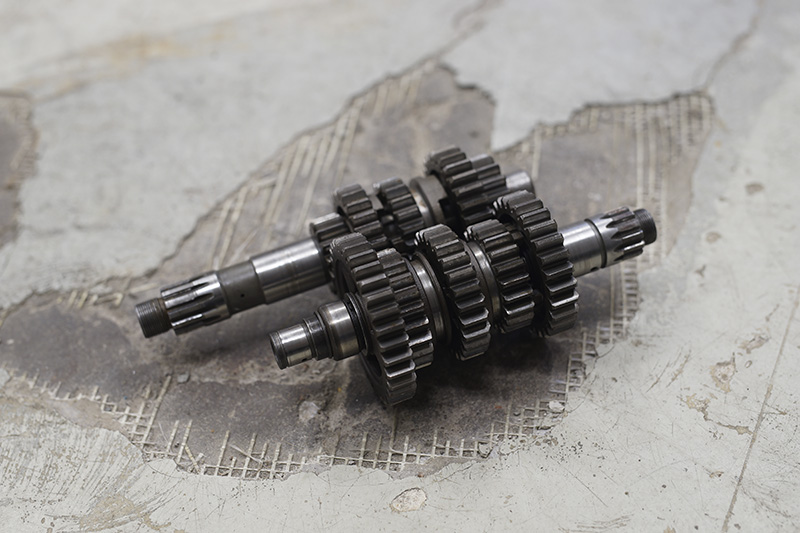
Two transmission shafts are installed:
The main shaft, also referred to as the drive shaft in most instructions - on which the clutch is also located.
The auxiliary shaft or output shaft - also called the transmission output shaft in the catalog - carries the rear wheel drive pinion.
In addition to the gear wheels, it is also necessary to check all the installed disks.
As this topic is not fully covered in most repair manuals, we have prepared this little „windshield special“ for you.
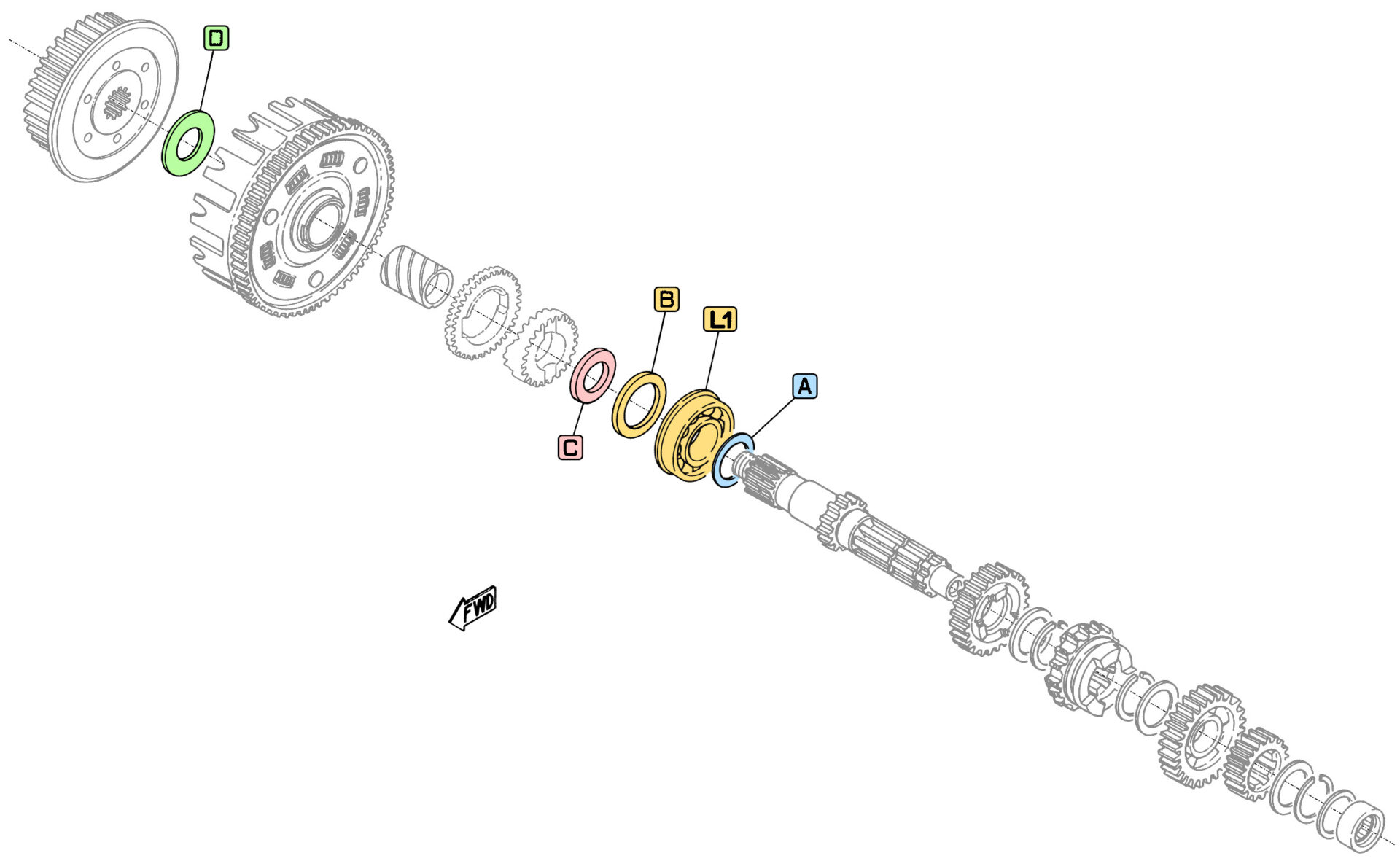
Here are the four discs that we think deserve a little more attention:
only for single-row clutch bearing
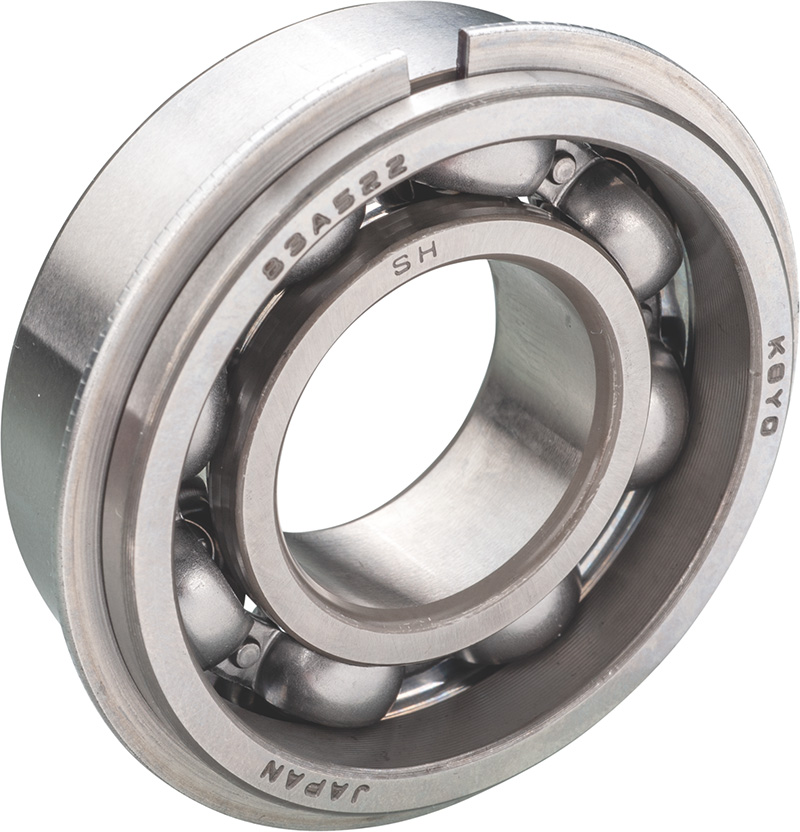
Single-row clutch bearing
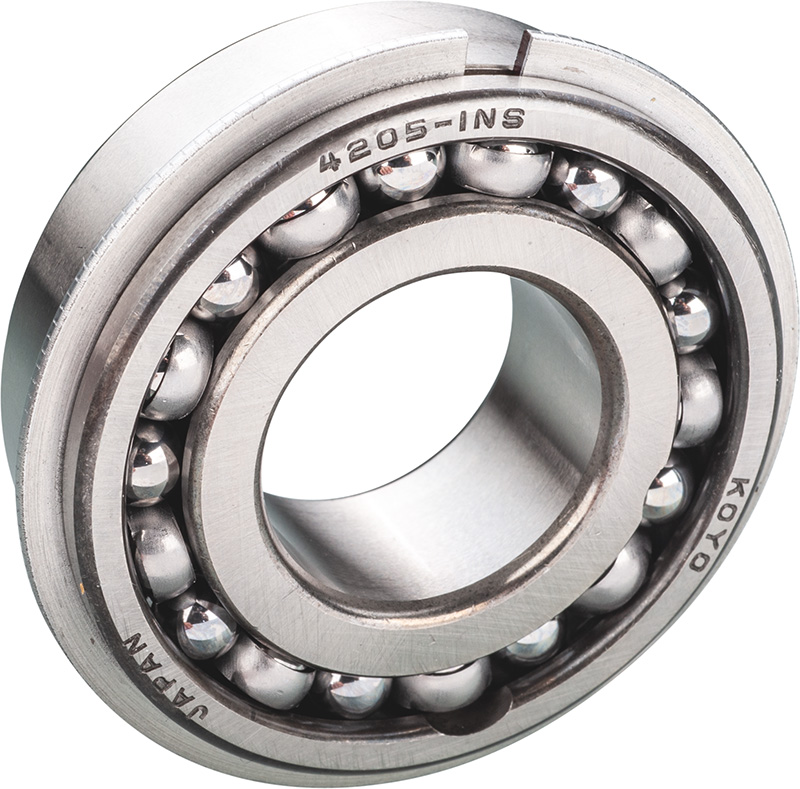
Double-row clutch bearing
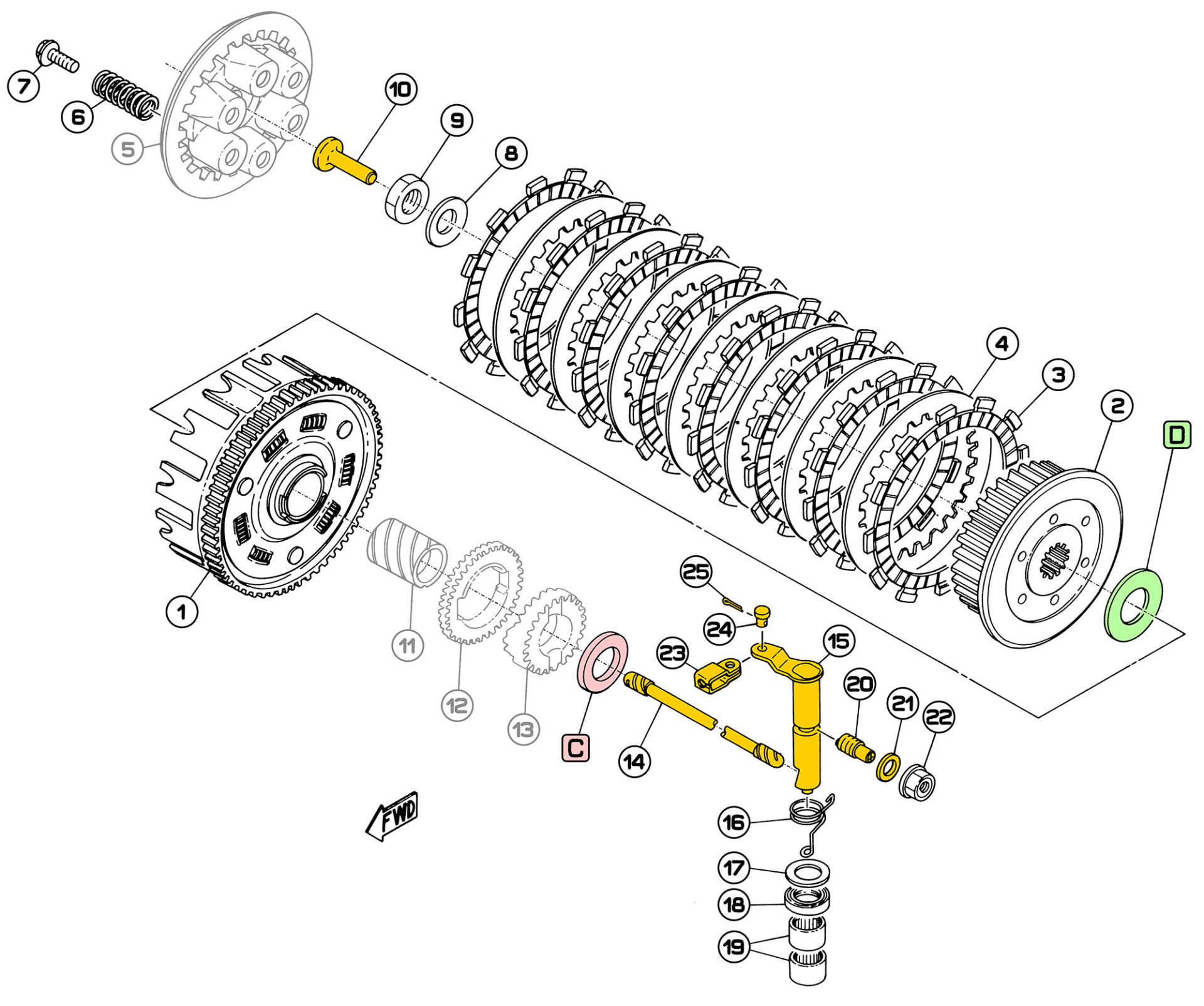
This color coding shows the parts that we consider to be subject to the greatest wear.
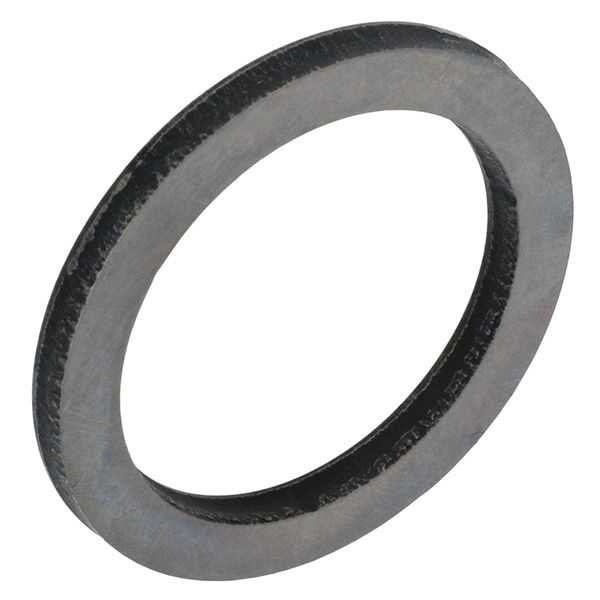
C: Pressure plate for clutch (OEM ‚pressure plate 1‘, 25 x 41.5 x 4 mm)
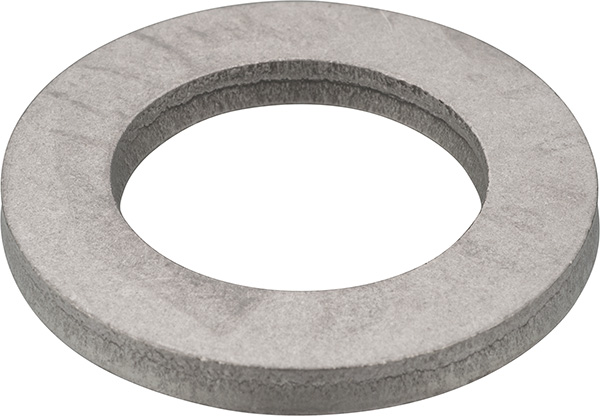
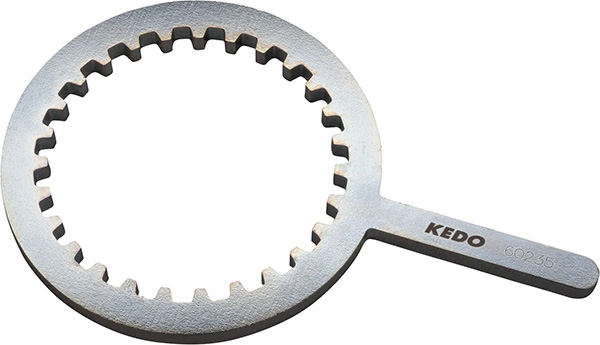
D: Pressure plate for clutch (OEM ‚pressure plate 2‘, 50 x 25 x 2 mm)
In principle, the clutch can cause three types of problems:
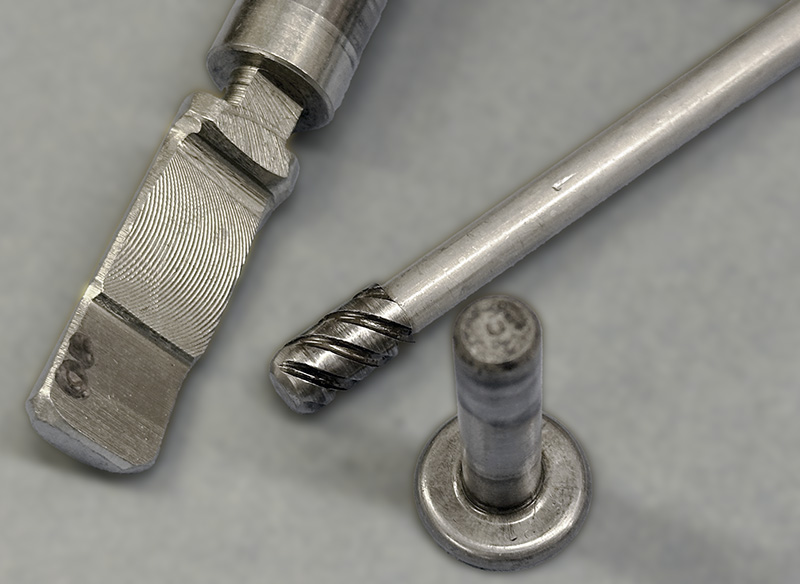
A sluggish clutch is not only tiring for the left hand, it also signals a need for action. The actuation components from the lever to the cable to the release mechanism should be checked. Wear on these elements should be compensated for by adjusting the clutch precisely in accordance with the instructions. However, a worn push rod, pressure mushroom and release lever will eventually make readjustment impossible. The friction discs become thinner and thinner, the steel discs can become deformed by heat and no longer allow complete separation.
The transmission of the XT500 has five gears and is operated via three shift forks. In principle, the design is very tough, but attention must be paid to the condition of the gear wheel pairs of the top three gears during inspection and maintenance. Typical for high-torque single cylinders.
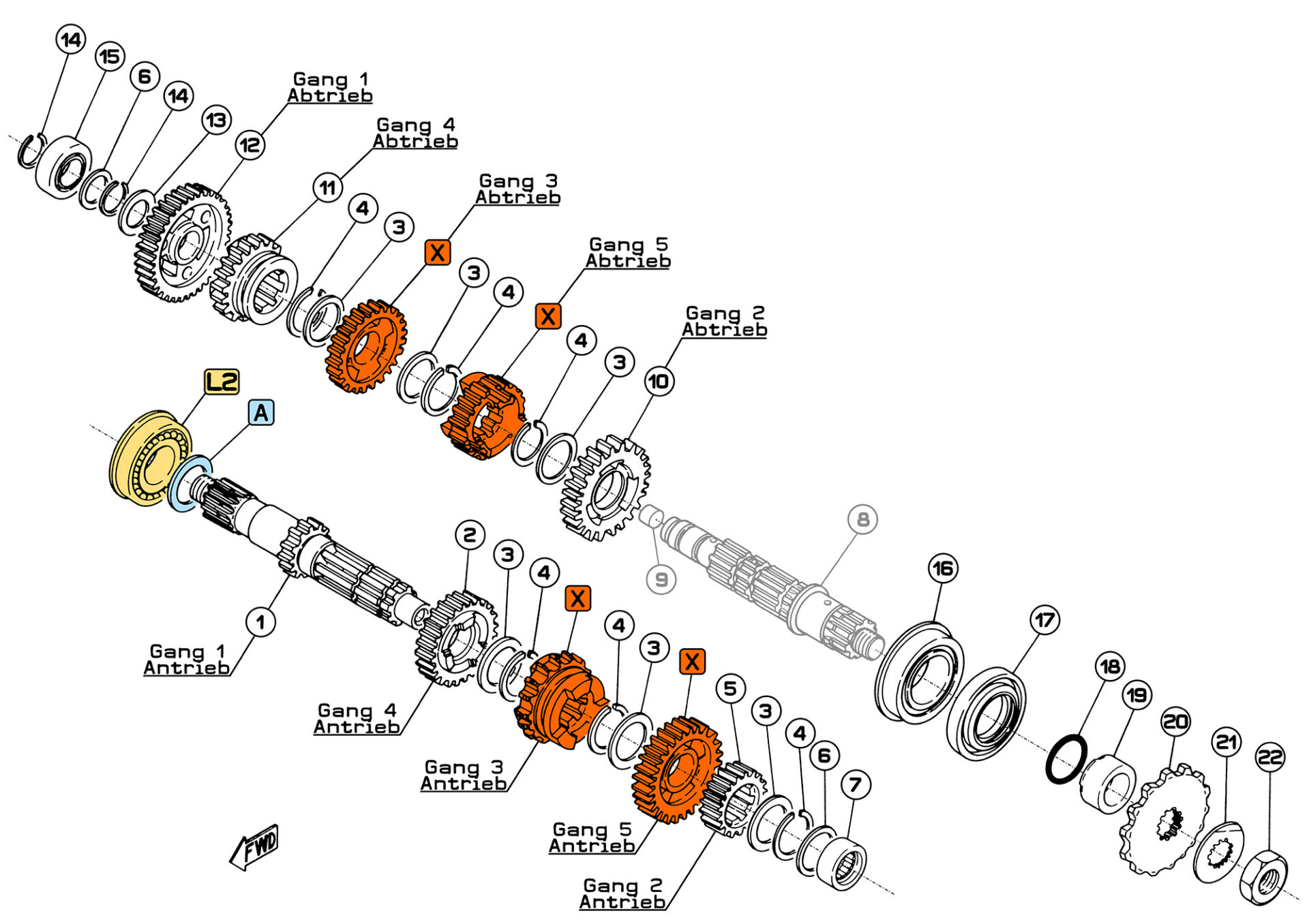
X: 3rd + 5th gear set complete (4-piece gearwheel/gearwheel set, drive/output)
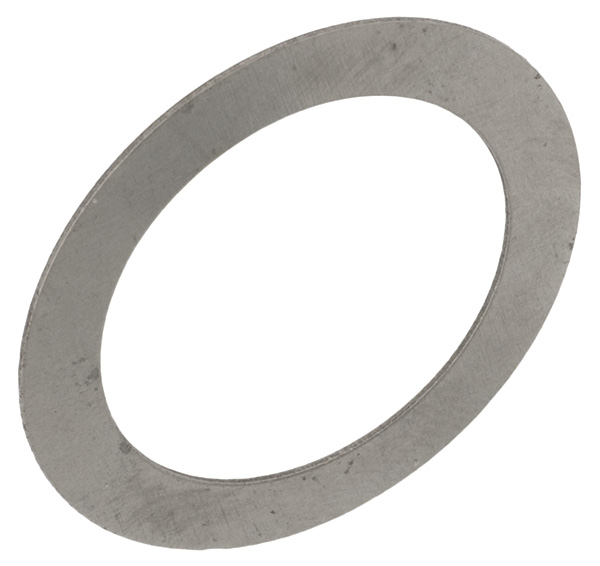
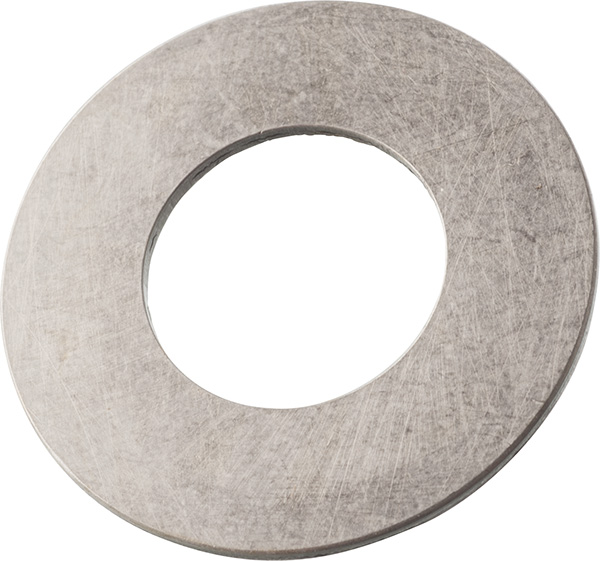
A: Shim 0.5mm (gearbox main shaft), so-called ‚washer‘
L2: Bearing gearbox main shaft right (double row, B4205-1N)
Overall, the transmission set-up is very successful. The gear ratios harmonize well with the power and torque curve of the engine. The engineers have done a good job during development. With a prudent driving style, wear is kept within limits. Incidentally, the shift drum is available in two different versions. Yamaha switched to a needle bearing in the housing at an early stage. Apart from this detail, the parts of the gearbox and the actuation are interchangeable within the models and series.
Choosing the right type of oil is important for a long service life. The oil supplies the engine with lubrication and cooling, but is also responsible for the transmission. The API SG, JASO MA2 specifications ensure shear resistance when used in the transmission and suitability for the clutch running in an oil bath. Our oils from EUROL meet all these requirements.
In terms of wear, it can be said that fourth gear probably works and is stressed the most, while fifth gear also tends to pitting when driving at low revs. The surface of the tooth flanks wears down. It is advisable not to ride exclusively at low engine speeds. The engine is designed with a slightly short stroke. A little speed is always good. The crankshaft and gearbox will thank you.
When gear wheels are changed, the retaining clips should also be replaced. The cost is low but the chance of a long service life is very high.
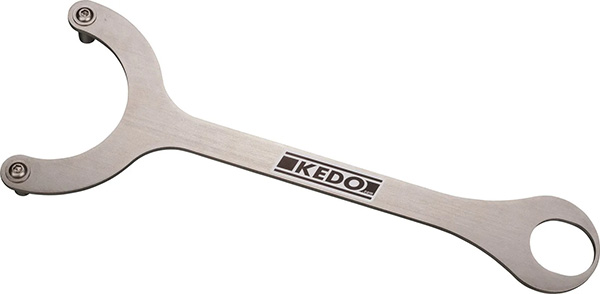
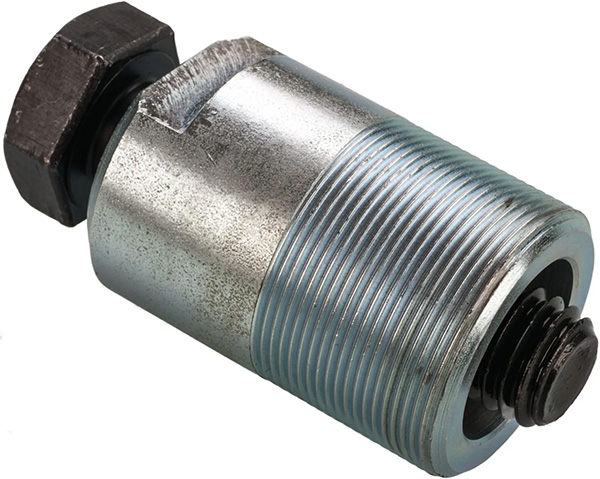
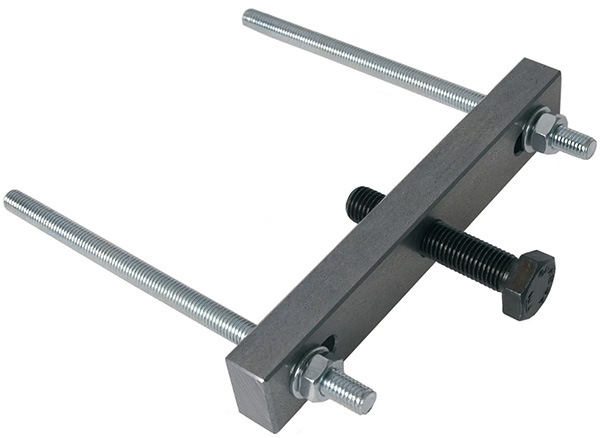
Anyone who has ever dismantled and reassembled an engine knows all about the chicanes and problems that can arise. Here are a few points from us for all those who are tackling this work for the first time. Good preparation pays off here. In addition to the usual tools such as a hexagon socket wrench set and torque wrench, the XT/SR-specific special tools are required. Our clutch basket holder, pole wheel holder and pole wheel puller are just as helpful as the crankcase separating tool.
The motor should be thoroughly cleaned and the workplace should be large enough, clean and properly lit. As the bearings and shafts are inserted into the housing halves, shimming material is required to ensure that everything is flat and stable. Sorting boxes are useful for the small and individual parts. All new seals and shaft seals, surface seals from the tube as well as locking plates and bushes should be ready.
Here are our points, without any claim to completeness:
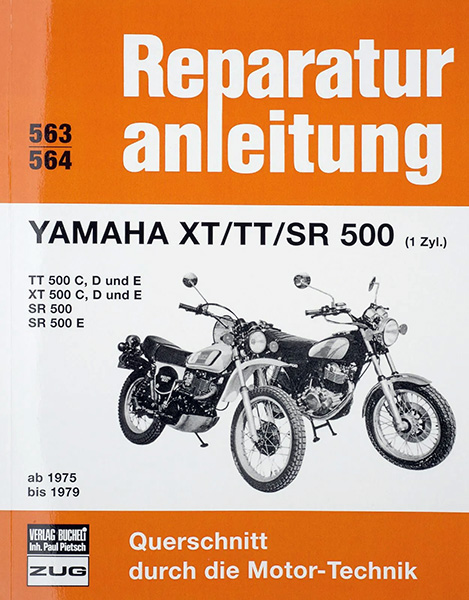
At this point, we would also like to mention the achievements of the community. Hardly any other 4-stroke engine has ever been documented so comprehensively and in such detail in the fan community. In addition to the many XT and SR500 Internet forums in the German-speaking world, the „Bucheli project“ outstanding. This project closes gaps that can be found in the popular repair manuals published by Bucheli Verlag. Swarm knowledge is bundled here. Collectors, mechanics and enthusiasts add their - sometimes highly professional - mustard. The result is a comprehensive reference work on the technology of the SR500 and the XT. A classic among the Web 1.0 sites and highly informative.
 Deutsch Deutsch Deutsch
 English Deutsch Deutsch Deutsch English